
Loading...
Serving Westland, MI and surrounding areas. (734) 391-1896
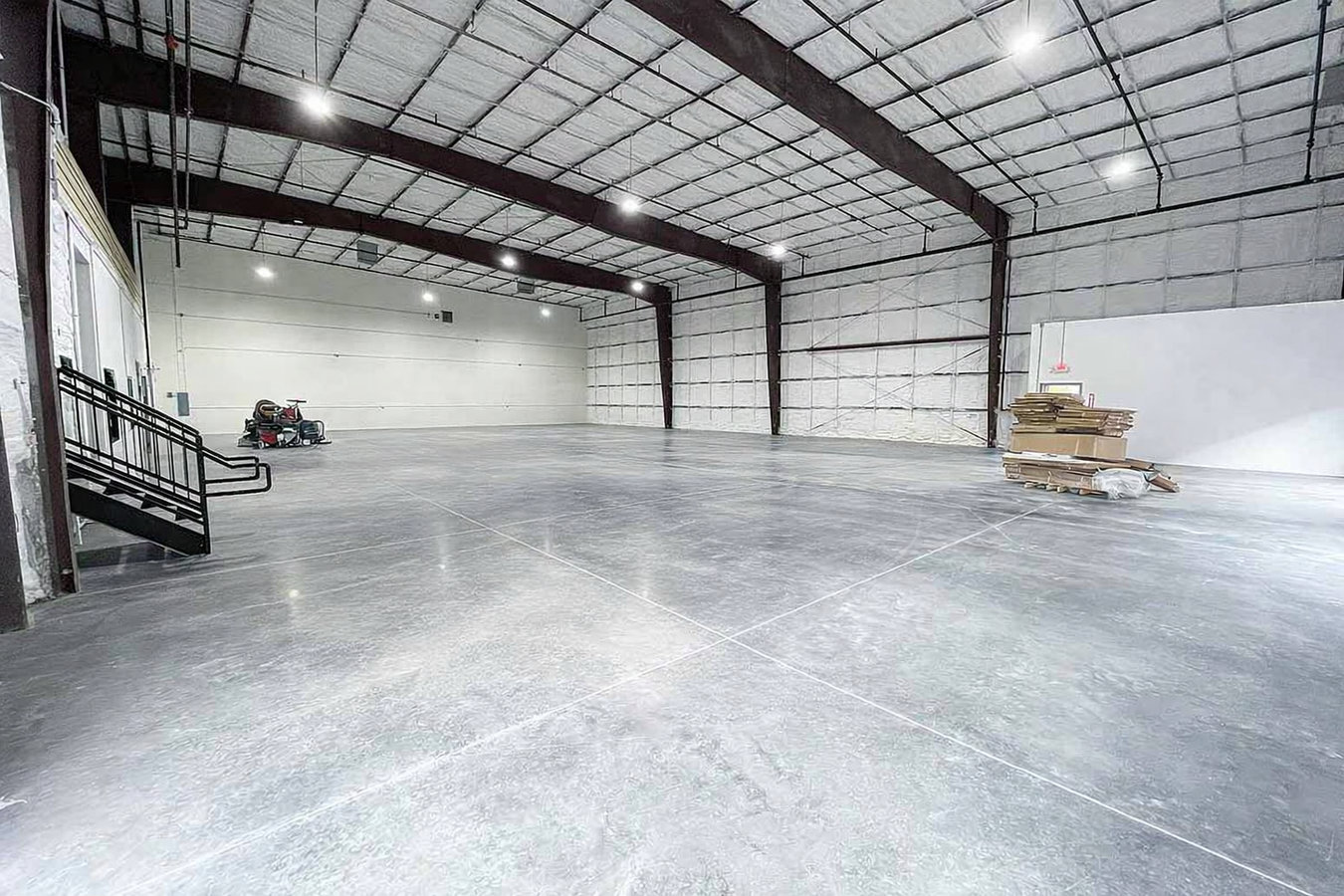
Your basement or garage floor is cracked, uneven, or falling apart - a professionally poured concrete floor gives you a flat, durable surface built to hold up through Michigan winters and Wayne County soil conditions.
Concrete floor installation in Westland starts with removing the old surface and preparing a stable, compacted base - then pouring, leveling, and finishing a new slab with control joints, most residential basement or garage projects completed in two to four days on-site before the curing period begins.
Westland was largely built out between the 1950s and 1970s, and a significant share of homes have original basement and garage floors that are now 50 to 70 years old. Those floors were often poured thinner than modern standards and without moisture barriers - so by the time cracks and surface deterioration show up, the problem is usually the floor and the conditions underneath it. Addressing both at once is what makes the difference between a new floor that lasts and one that develops the same problems in a few years.
If you are also looking at upgrading your garage floor with a finished surface, our garage floor concrete service covers the full range of options including sealed and coated finishes built for vehicle traffic.
If cracks have grown over time or you can feel the height difference between sides with your foot, the floor has shifted beyond normal aging. In Westland, the clay-heavy soil beneath many homes expands and contracts with moisture changes, which accelerates this movement. Cracks that let water seep through after rain are a clear sign the floor needs professional attention.
If sweeping your basement or garage always produces a fine gray powder, or the surface is visibly flaking in patches, the top layer of concrete has deteriorated. This is especially common in Westland homes built in the 1950s and 1960s, where original floors were sometimes poured with a higher water content that weakened the surface over time. Once the surface layer starts breaking down, it does not improve on its own.
Standing water on a basement or garage floor after heavy rain or during spring thaw signals the floor is no longer draining properly or has settled unevenly. In Westland, where spring snowmelt can be significant and the water table runs high in some neighborhoods, this is a common problem in older homes. A new floor installation done with proper drainage planning solves the root cause rather than just managing it.
A noticeable dip, hump, or slope that was not there before means the slab has shifted or settled in sections. This is not just cosmetic - uneven floors make the space difficult to use safely and can signal that the base underneath has eroded or shifted. In a finished basement, an uneven floor also causes problems for anything built on top of it.
We install concrete floors for basements, garages, utility spaces, and outbuildings across Westland. Every project starts with an honest assessment of the existing floor and the conditions underneath - moisture, base stability, and any drainage issues that need to be addressed before a new pour will hold. We pour at the right thickness for the intended use - typically four inches for foot traffic and storage, five to six inches for vehicle loads - and we cut control joints into every floor so any future cracking goes where it is planned rather than randomly across your surface. Our garage floor concrete service covers finishes and coatings for vehicle-use slabs. If you are also creating a new outdoor poured surface, our concrete pool decks team handles exterior flatwork with the same attention to base preparation and drainage.
For basement floors, we assess moisture conditions before any concrete is ordered - because a new floor poured over an unresolved moisture problem will develop the same issues as the old one. When permits are required through the City of Westland, we pull them and coordinate the inspection so the project is documented and on record. The American Society of Concrete Contractors outlines the standards we follow for residential slab installation.
For Westland homeowners with aging original floors - addresses moisture conditions, uneven settling, and deteriorated base layers before the new pour.
Poured at vehicle-ready thickness with control joints and sealing options suited to Michigan winters and road salt tracked in from winter driving.
For utility spaces, workshops, and outbuildings that need a fresh poured floor with a properly compacted gravel base underneath.
Best for Westland basements in neighborhoods with higher water table conditions or persistent spring moisture - drainage assessment built into the project scope.
Michigan's freeze-thaw cycle is hard on any concrete, and Westland sits in a climate zone where temperatures regularly swing above and below freezing throughout fall, winter, and spring. Every time moisture gets into concrete and then freezes, it expands and pushes against the material from the inside - a process that, over years, causes cracking and surface flaking. Add in Wayne County's clay-heavy glacial soil that expands when wet and contracts when dry, and the stress on any basement or garage slab from below is significant. Timing your pour correctly - late spring through early fall - and using the right mix for cold-climate conditions are not optional details in Westland. They are what separates a floor that holds for decades from one that needs attention again in five years.
Homeowners throughout Westland and in neighboring communities like Inkster and Wayne are dealing with the same aging housing stock and the same soil conditions. A concrete floor replacement is one of the more straightforward ways to make a meaningful improvement to an older home - it changes how the space looks, how it functions, and how it holds up when a buyer's inspector comes through. For permit requirements before your project starts, the Portland Cement Association publishes straightforward guidance on concrete floor construction that is worth reviewing if you want to understand what a quality installation should include.
We will ask about the space, the existing floor condition, and the rough size. Most contractors schedule a site visit before giving you a price because base conditions and moisture issues can significantly affect the scope - and what you get is a written estimate, not a phone ballpark.
We assess the existing floor, check for moisture, and confirm the plan. If a permit is required by the City of Westland - common for basement floor replacements - we handle obtaining it before work starts. Permitted work is inspected by the city, which keeps the project documented and on record.
Clear the space completely before the crew arrives. They remove the old concrete if applicable, grade the base layer, and compact a stable foundation of gravel or crushed stone. This preparation is the most important step - a well-prepared base is what prevents the new floor from cracking or settling.
The crew pours, levels, and finishes the surface, cutting control joints as they go. You can walk on it in 24 to 48 hours - vehicle loads should wait the full 28-day curing period. Sealing is strongly recommended for basements and garages and should be confirmed in your quote.
Written estimate, no pressure. We assess moisture conditions before any concrete is ordered.
(734) 391-1896Wayne County basements are prone to moisture issues - high water tables and spring snowmelt push water up through or around floors in many older Westland homes. We check moisture conditions before ordering concrete so the new floor does not re-create the same problem.
Some cracking in concrete is inevitable. What matters is where it happens. We cut control joints into every floor we pour so future cracking follows a straight, planned line rather than spreading randomly across your surface. This is standard practice, not an upgrade.
We handle the City of Westland permit process for projects that require it - typically basement floor replacements and new structural pours. Permitted and inspected work is on record when you sell the home, and it confirms the job met local standards.
We work on Westland's aging housing stock regularly. We know what original floors from that era look like when they come up, what the base underneath typically needs, and how to address moisture issues that modern construction would have prevented from the start.
Put together, these practices mean you get a floor that handles what Westland conditions actually throw at it - not a floor that looks good on pour day and starts showing problems within a few winters. A written estimate and a clear scope before work starts means no bill shock at the end either.
Exterior concrete flatwork for pool surrounds, poured with the same base preparation and drainage care as interior floors.
Learn MoreSealed and finished garage floor options built for vehicle traffic and road salt - a natural follow-on from a basic floor replacement.
Learn MoreWestland contractors fill up fast once the weather turns - contact us today to get your basement or garage floor scheduled before the season books out.