Loading...
Serving Westland, MI and surrounding areas. (734) 391-1896
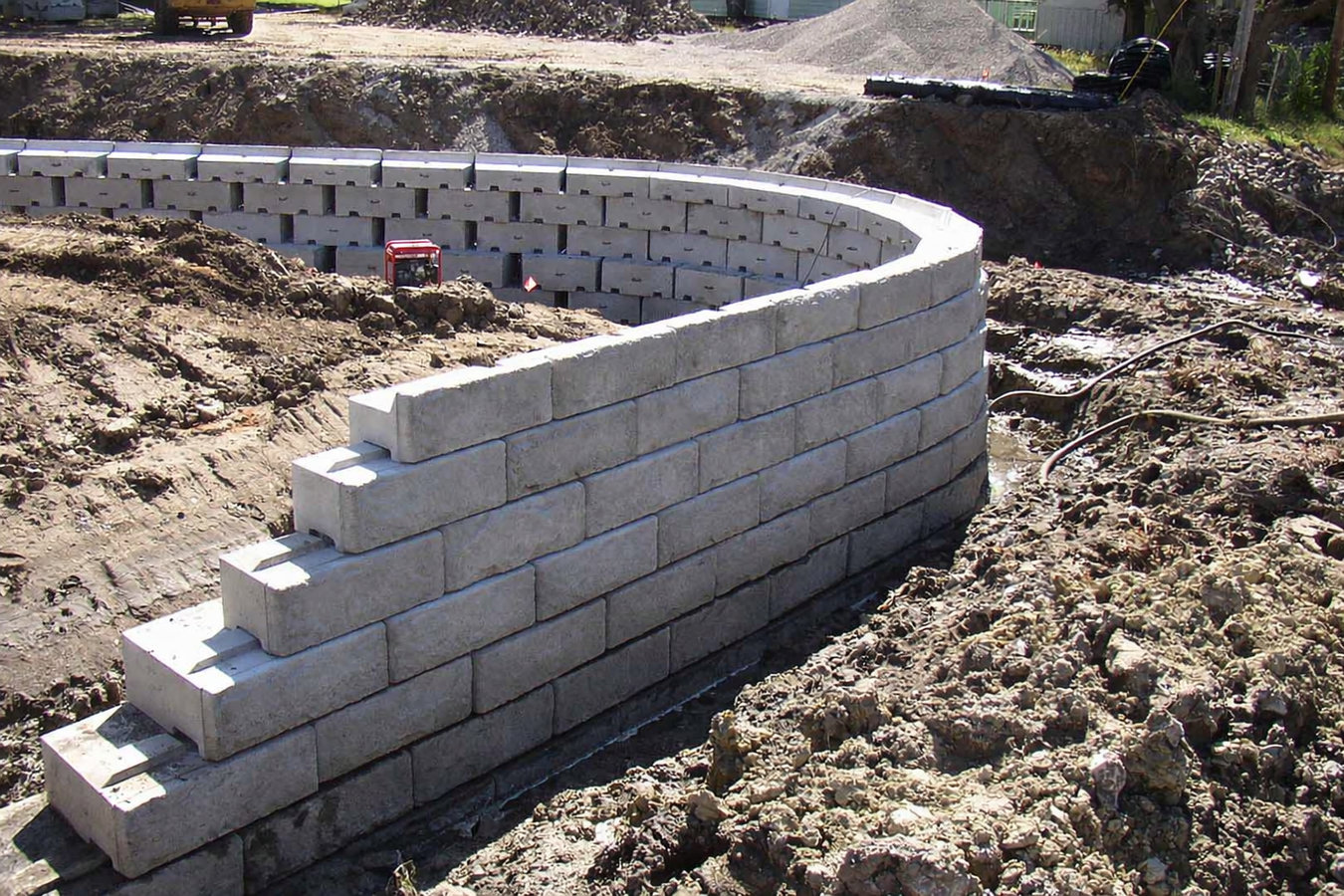
Sloped yards and eroding soil are a common problem in Westland - a properly built concrete retaining wall holds the ground back, manages drainage, and gives you flat, usable space.
Concrete retaining walls in Westland hold back soil on sloped or uneven ground, preventing erosion and creating stable, flat areas - most residential projects run two to six feet tall and take two to five days to complete depending on site conditions and permit requirements.
Westland sits on clay-heavy glacial soil that absorbs water and shifts with moisture changes. That movement is hard on anything in the ground, and it is exactly why so many yards in this area develop erosion problems, uneven grades, and unstable slopes over time. A well-built concrete retaining wall stops the problem at the source rather than managing the symptoms.
If your wall project also involves steps leading up or down the grade change, our concrete steps construction team can build them as part of the same project so everything is integrated and level.
If you notice bare dirt appearing at the top of a slope or soil piling up at the bottom after heavy rain, your yard is actively eroding. In Westland, this is most noticeable in spring when snowmelt and rain arrive together - and it gets worse each year without intervention.
A retaining wall tilting away from the soil it holds is under stress it was not built to handle. Horizontal cracks near the middle of a wall, or diagonal cracks from corners, are signs the wall is beginning to fail. In Westland's freeze-thaw climate, a wall showing these signs in spring has likely been weakening through several winters.
When a yard lacks proper grading or a wall to direct water flow, rainwater and snowmelt collect near your home's foundation. This is one of the most common complaints in Westland's older neighborhoods where original grading has shifted over decades. A retaining wall combined with proper drainage can redirect that water away from your home.
If you want to add usable flat space to a yard that slopes, a retaining wall is usually part of the solution. Many Westland homeowners discover this when planning a backyard project - the slope that seemed manageable suddenly needs to be addressed before anything else can be built.
We build both poured concrete and concrete block retaining walls for residential and light commercial properties throughout Westland. Every wall starts with excavation to set a footing below the 42-inch frost line that southeast Michigan requires - the step most failed walls skip. Drainage gravel and a perforated pipe go in behind the wall so water has a clear path out instead of building pressure against the concrete. Our concrete floor installation service is a natural complement when the retaining wall creates a new level area that needs a poured surface.
For walls that require a permit from the City of Westland Building Department, we handle the paperwork and coordinate the inspection - you do not need to navigate that process yourself. We also coordinate concrete steps construction for grade changes that need both a wall and a safe way to move between levels, keeping the overall project on a single timeline.
Best for homeowners who need a strong, seamless wall on challenging terrain or where the wall will carry significant soil load.
Suited to projects where a segmental look fits the landscape or where construction access makes block easier to place than forming and pouring.
Ideal for Westland yards with clay soil or high moisture, where a wall without drainage will fail prematurely.
Designed for steep slopes where a single tall wall is not practical - multiple shorter walls step the grade change in a way that is safer and often less expensive.
Westland sits in southeast Michigan where temperatures swing above and below freezing dozens of times each winter. That repeated freeze-thaw cycle pushes hard on anything in the soil - especially retaining walls that were not built with proper footing depth or drainage. Wayne County clay soil absorbs water and expands when wet, which puts enormous lateral pressure on walls from behind. A wall built without drainage in this area is not a matter of if it will fail - it is a matter of when. That is why every wall we build includes a gravel drainage layer and either weep holes or a perforated pipe, regardless of how small the project is.
Most of Westland's neighborhoods were built out between the 1950s and 1970s, and decades of settling, tree root activity, and drainage changes mean many yards have developed grades and erosion problems that were not issues when the homes were new. Homeowners in areas like Dearborn Heights and Garden City are dealing with many of the same slope and drainage issues, and a concrete retaining wall is consistently the most durable long-term fix. For information on permit requirements before your project starts, the City of Westland Building Department is the right first stop.
We reply within one business day. We will ask about the slope, the soil, how water moves through the area, and any obstacles nearby - then schedule a site visit before giving you a price.
We measure the site and assess drainage conditions. If your wall requires a permit from the City of Westland, we handle that paperwork - you should not have to navigate the permit office yourself.
The crew digs out the wall location, going deep enough to set a solid footing below the 42-inch frost line. We call 811 before any digging begins - Michigan law requires it. This is typically the most disruptive part of the project.
Once the footing is set and cured, the wall goes up with drainage gravel installed behind it. After curing, soil is backfilled in layers and compacted. A city inspector signs off if a permit was pulled, and the project is complete.
Free written estimate. No pressure. We handle the permit process for you.
(734) 391-1896In Westland, the frost line is 42 inches. Every wall we build has its footing set below that depth. It is the single most important factor in whether a retaining wall survives Michigan winters intact - and it is non-negotiable on every project we take.
Wayne County clay soil holds water instead of draining it, which puts constant pressure on any wall built here. We install gravel backfill and drainage provisions on every wall - not as an add-on, but as a standard part of the build.
We pull the required permits from the City of Westland and coordinate the inspection. Permitted and inspected work is on record when you sell, which protects your investment and makes the project verifiable to a buyer's inspector.
We work regularly across Westland and the surrounding Wayne County area, so we know the local soil conditions, frost depth requirements, and permit processes firsthand. That local knowledge is reflected in how we design and build every wall. For construction standards, we follow guidance from the American Concrete Institute.
Every one of these points comes back to the same thing: a wall that actually lasts in Westland conditions. The combination of proper footing depth, built-in drainage, and permitted work means your retaining wall is an asset to your property - not a problem waiting to reappear in a few winters.
Pour a new concrete floor on the level area your retaining wall creates - basement, garage, or outdoor slab.
Learn MoreAdd safe, integrated concrete steps to move between grade levels your new retaining wall defines.
Learn MoreSpring books fast in Westland - contact us now to get on the schedule before the wet season makes the problem worse.